-
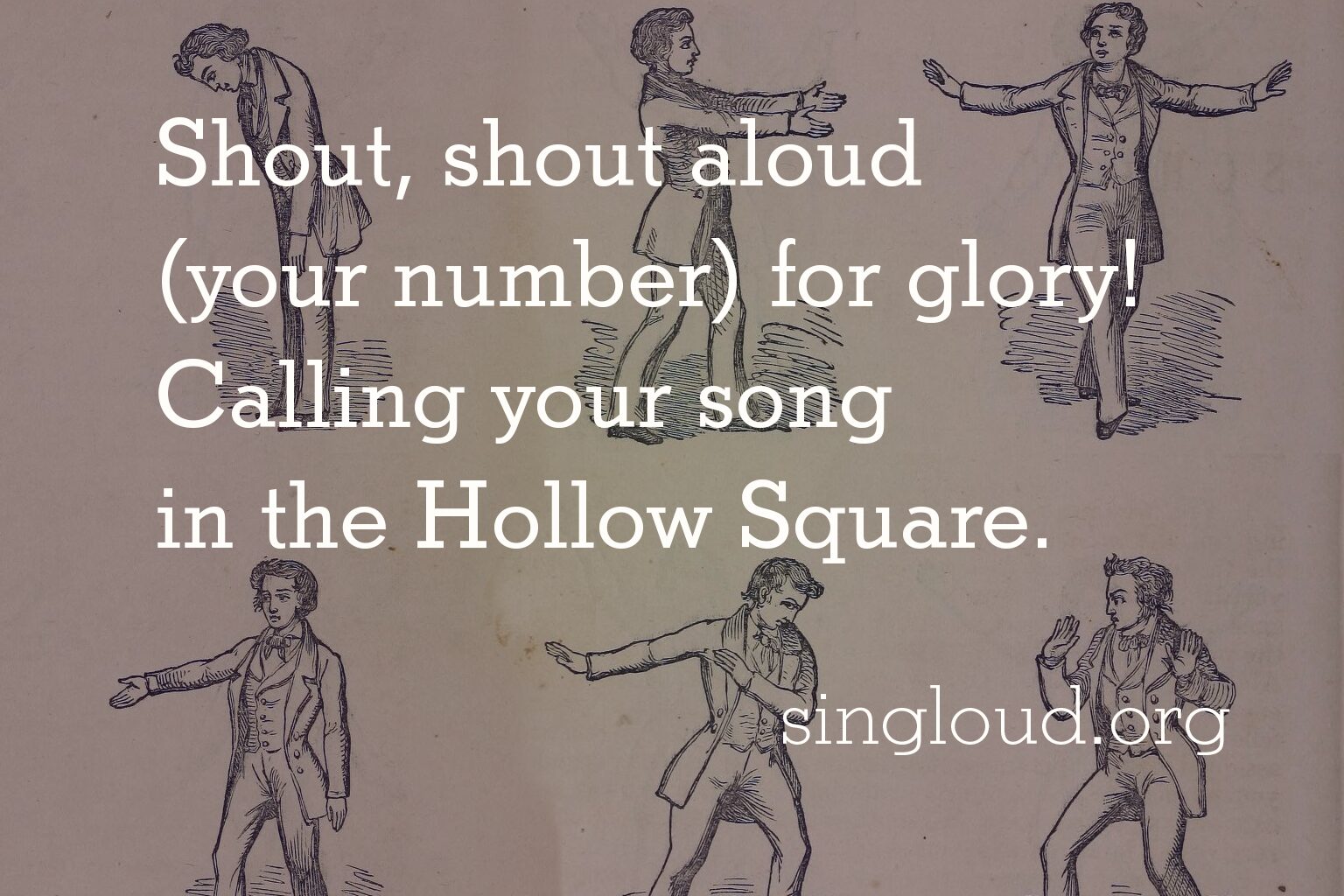
I have often remarked “for a style of music noted for its loudness, it sure is funny how often people whisper and mumble out their song number!” Just recently I quipped it again, and someone said “I have written on just that very topic.” They have graciously sent me their thoughts, and I concur. Calling…
-
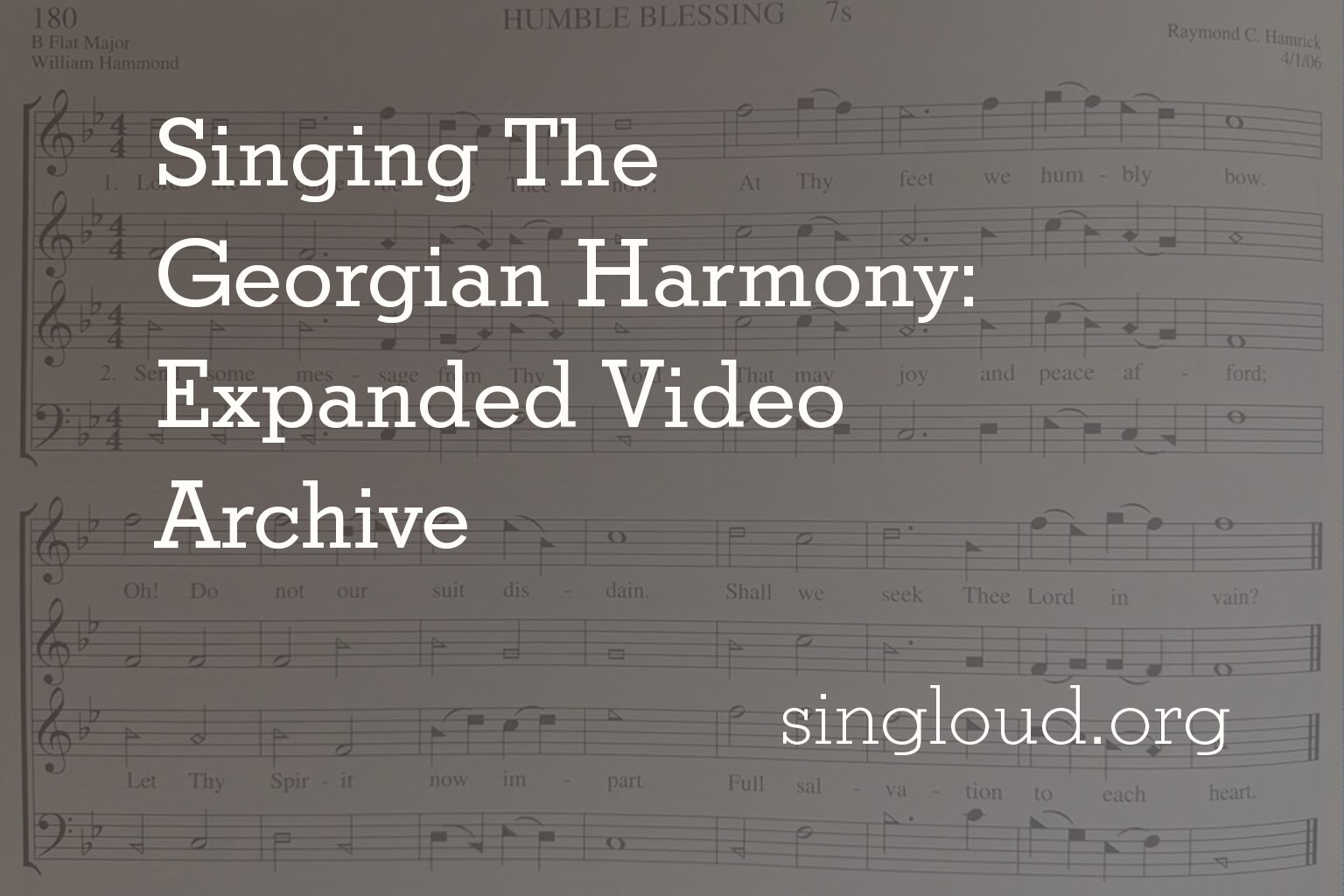
A growing collection of videos documenting singings from Raymond C. Hamrick’s Georgian Harmony is now available online: https://www.youtube.com/@georgianharmony/videos The material falls broadly into two categories: multi-hour singings and recordings of individual tunes. Both are valuable. The former preserves the lived context of the music, while the latter allows closer engagement with specific compositions. Hamrick (1915–2014)…
-
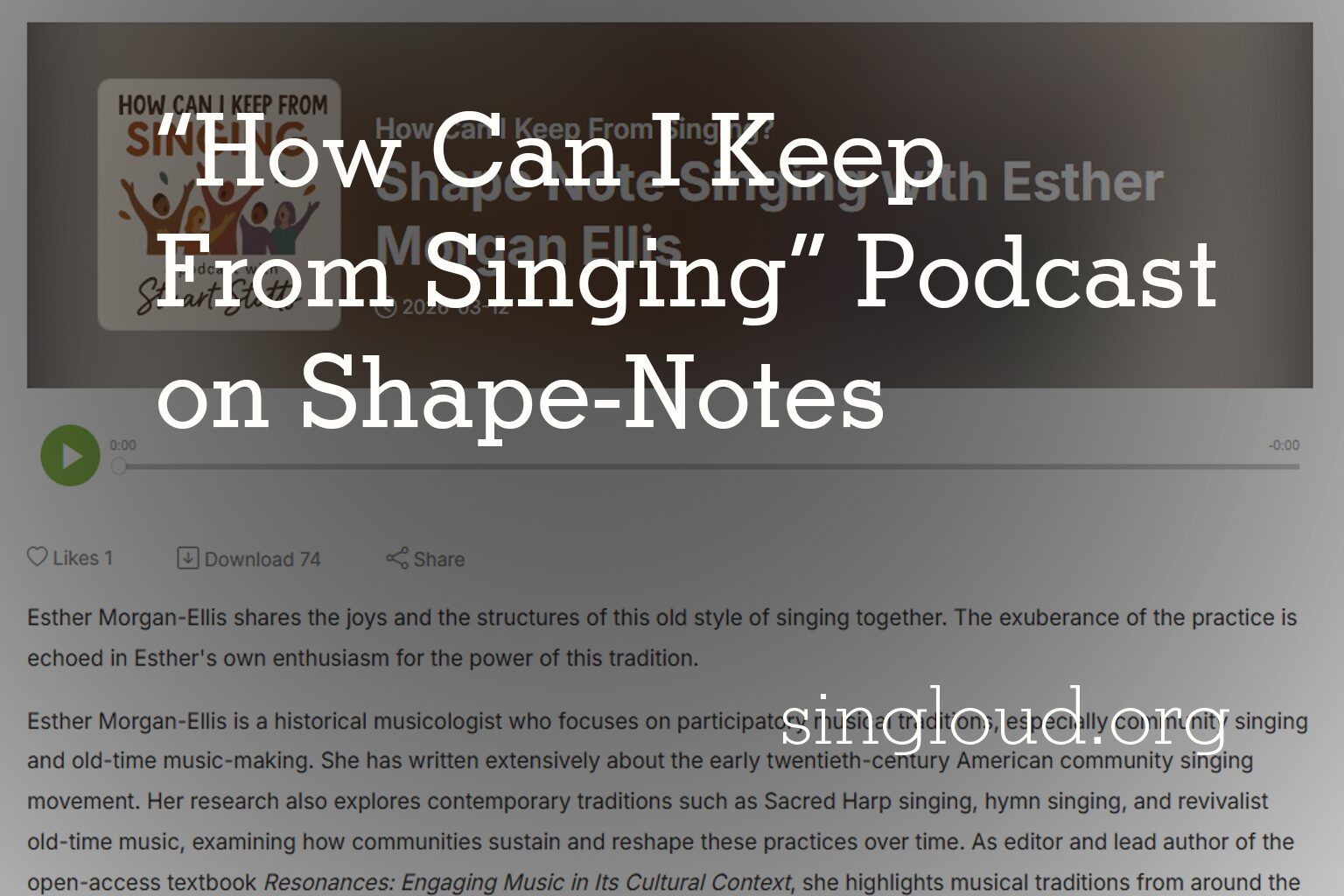
The podcast How Can I Keep From Singing?, hosted by educator and community-singing advocate Stuart Stotts, explores the enduring role of participatory singing across a wide range of traditions. Through interviews with practitioners, scholars, and organizers, the series consistently highlights singing not as performance, but as a lived, communal practice embedded in culture and everyday…
-

This short video documents the process of screen-printing custom T-shirts for a Berlin all-day shape-note singing. It shows the preparation of the screens, applying ink to the shirts, and the hands-on printing process used to produce the event shirts. The project highlights the small-scale, DIY spirit often found in shape-note communities, where singers create their…
-
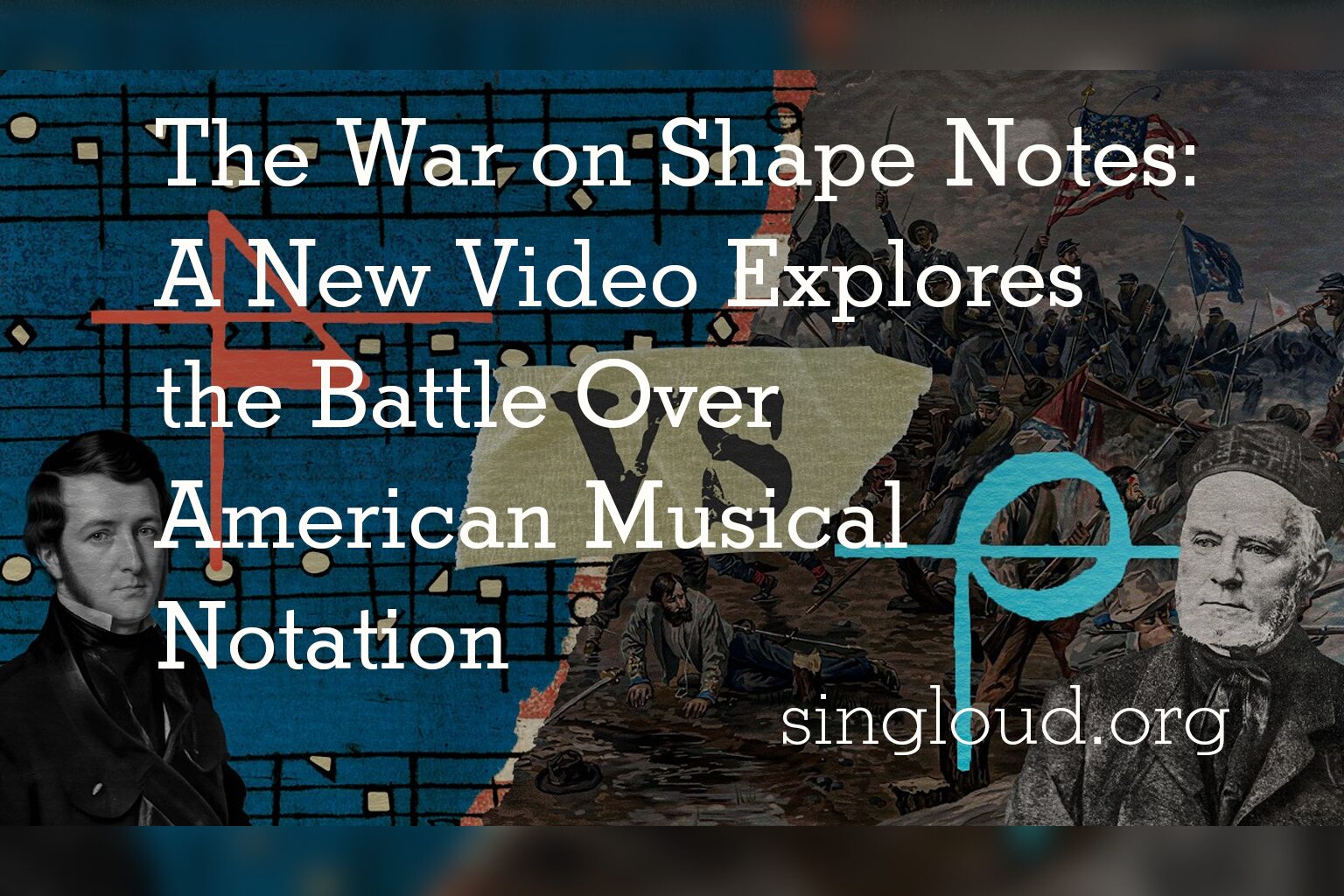
Every so often a video comes along that manages to explain the history and culture of shape-note music in a way that is both accessible and historically grounded. A new video by Levi McClain does exactly that, exploring the long and fascinating struggle between shape-note notation and the now-dominant round-note system. The video tells the…
-
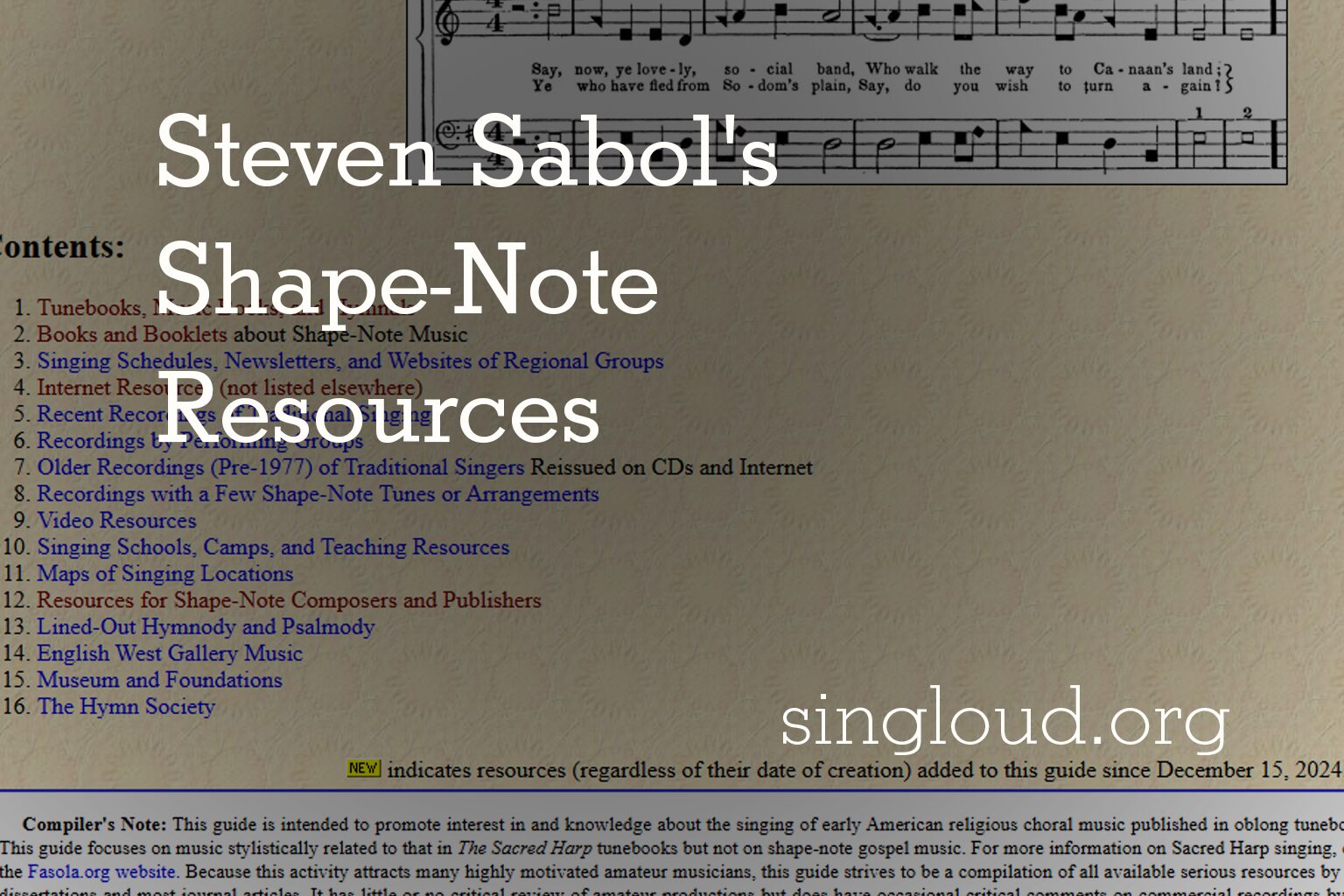
Steven Sabol has announces a MAJOR update to his encyclopedic website of Shape-Note resources! What follows is his announcement: I have updated all chapters of my online resource guide to Sacred Harp and related shape-note music. The last update was in December 2024, although I updated the tunebook chapter last August before the Sacred Harp:…
-
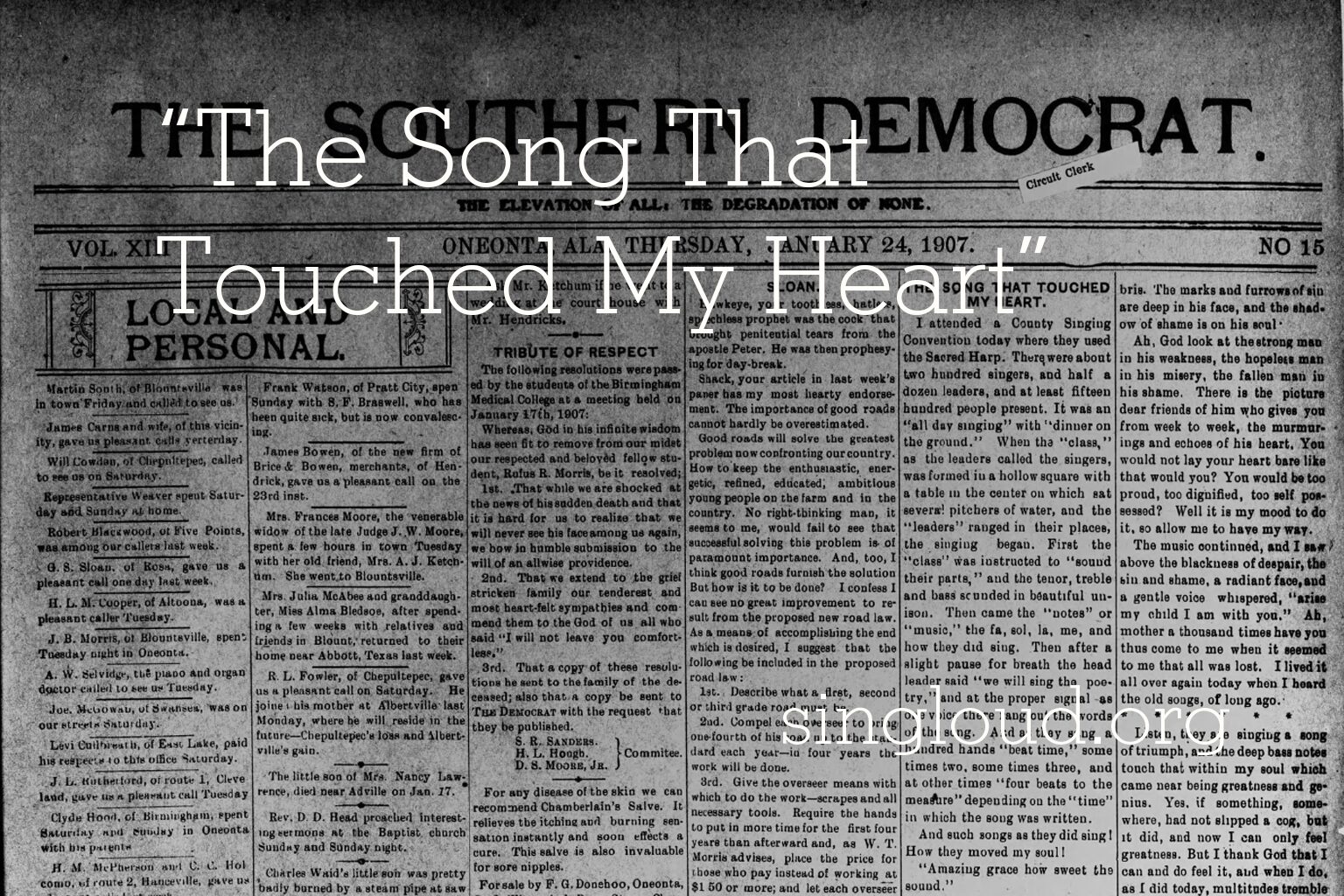
The Southern Democrat of Oneonta, Alabama, was published from 1894 until 1989, reporting on Sacred Harp singing over the entire run. The Southern Democrat’s oldest reference (that I could find) to “All Day Singing” was in 1897, when it noted “An all day singing at the court house last Sunday was conducted by Dr. Walker…
-
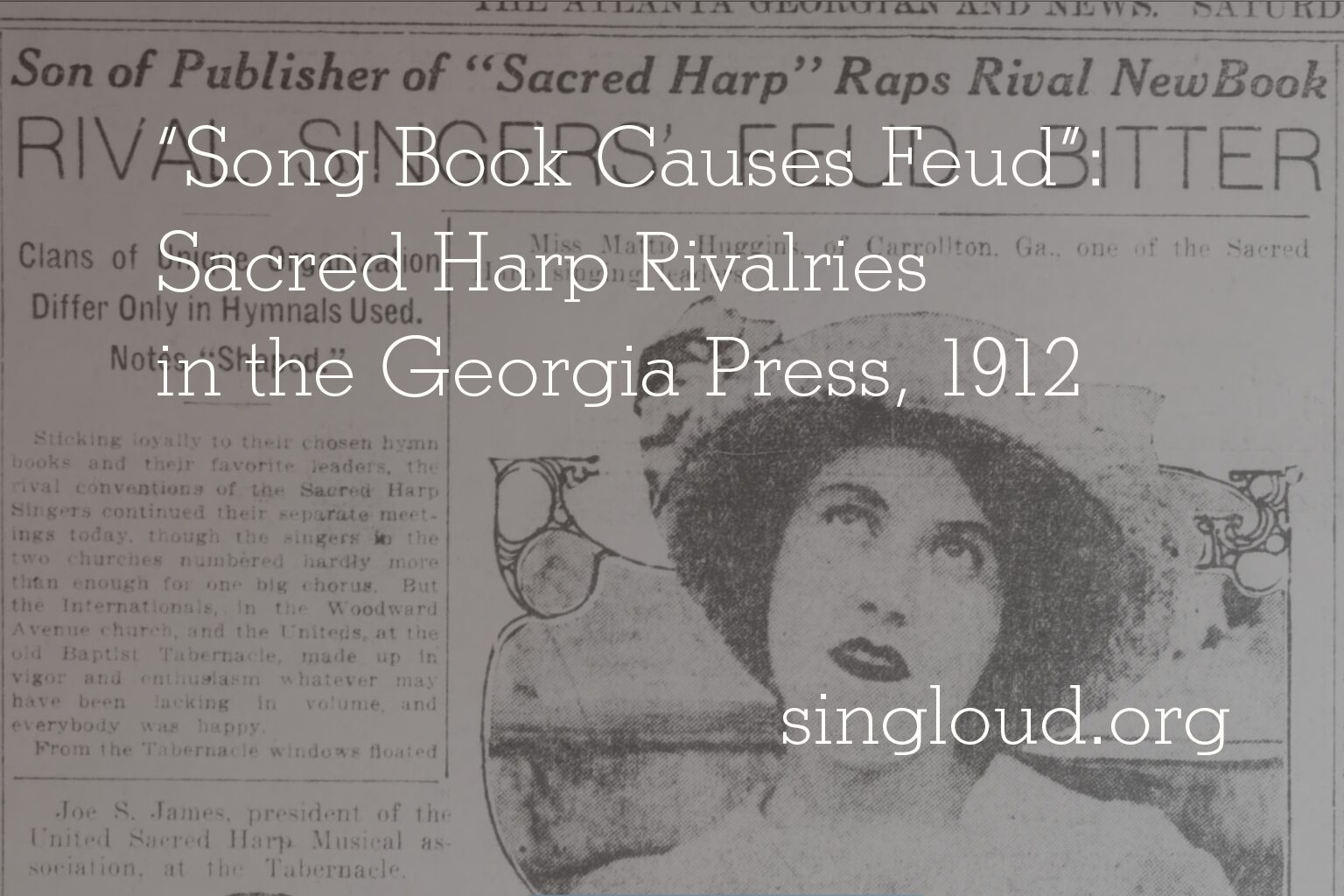
In early September 1912, Georgia newspapers closely followed a public split within the Sacred Harp singing community, as rival conventions met simultaneously in Atlanta. At issue was not singing style or theology, but the legitimacy of competing songbooks—both rooted in B. F. White’s 1844 Sacred Harp. The following newspaper accounts, published over three consecutive days,…
-
There’s an exciting new radio special that celebrates the rich tradition of American shape-note singing—an hour-long journey into the sounds and stories of Sacred Harp and its related tunebooks. Shapes of America, produced by Louisville Public Media and the Appalachia + Mid-South Newsroom, traces this distinctive style of communal, a cappella singing from its early…
-
Will Fitzgerald has updated his list of seasonal shape-note tunes by adding The Sacred Harp: 2025 Edition. Begun in 2005, this is a terrific resource for quickly finding festive tunes to sing in December or July! We have gathered some of the tunes from the VPH for a list as well. The Christmas text “Hail…