Category: ·Sacred Harp & Cultural Impact
-

This short video documents the process of screen-printing custom T-shirts for a Berlin all-day shape-note singing. It shows the preparation of the screens, applying ink to the shirts, and the hands-on printing process used to produce the event shirts. The project highlights the small-scale, DIY spirit often found in shape-note communities, where singers create their…
-
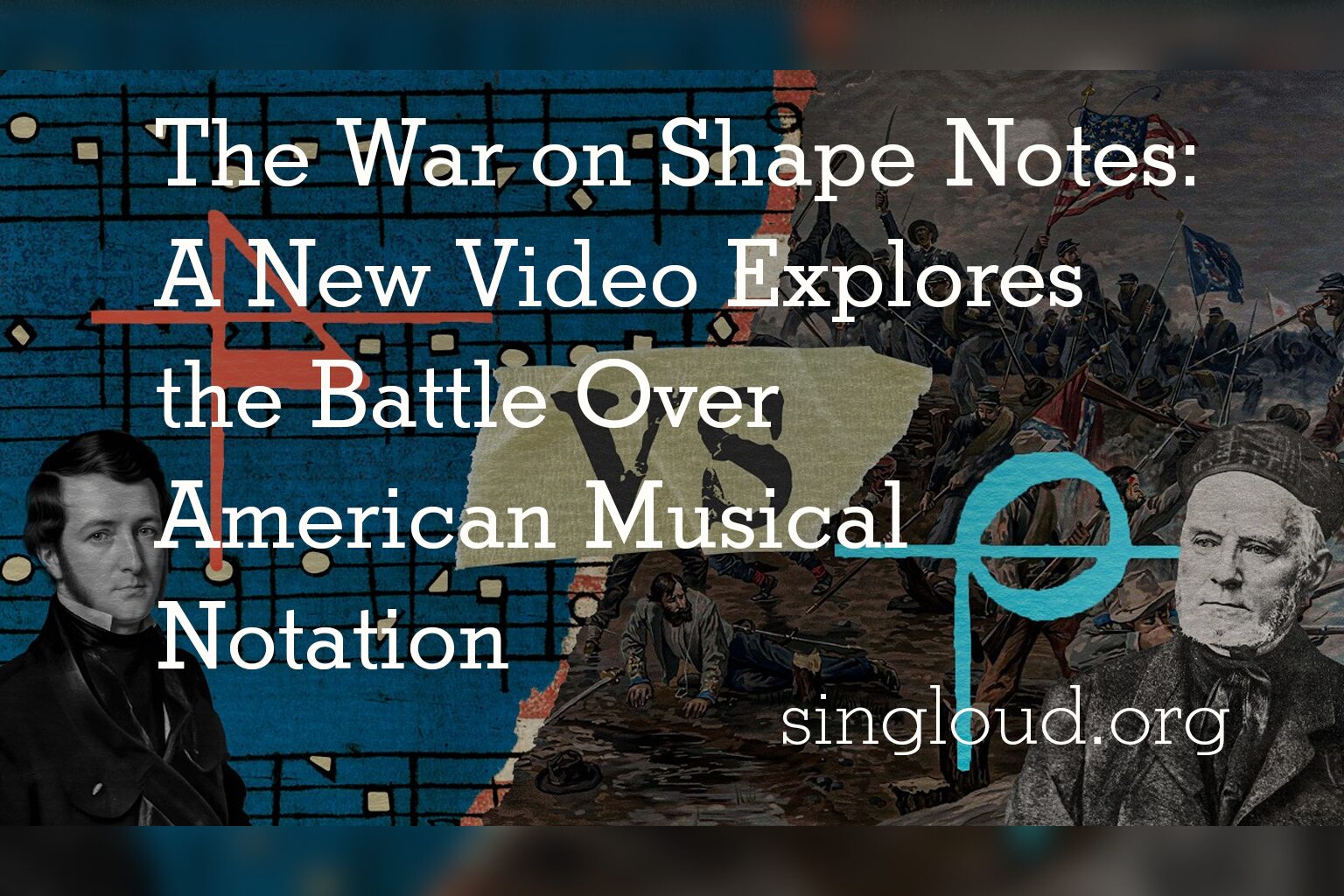
Every so often a video comes along that manages to explain the history and culture of shape-note music in a way that is both accessible and historically grounded. A new video by Levi McClain does exactly that, exploring the long and fascinating struggle between shape-note notation and the now-dominant round-note system. The video tells the…
-
There’s an exciting new radio special that celebrates the rich tradition of American shape-note singing—an hour-long journey into the sounds and stories of Sacred Harp and its related tunebooks. Shapes of America, produced by Louisville Public Media and the Appalachia + Mid-South Newsroom, traces this distinctive style of communal, a cappella singing from its early…
-
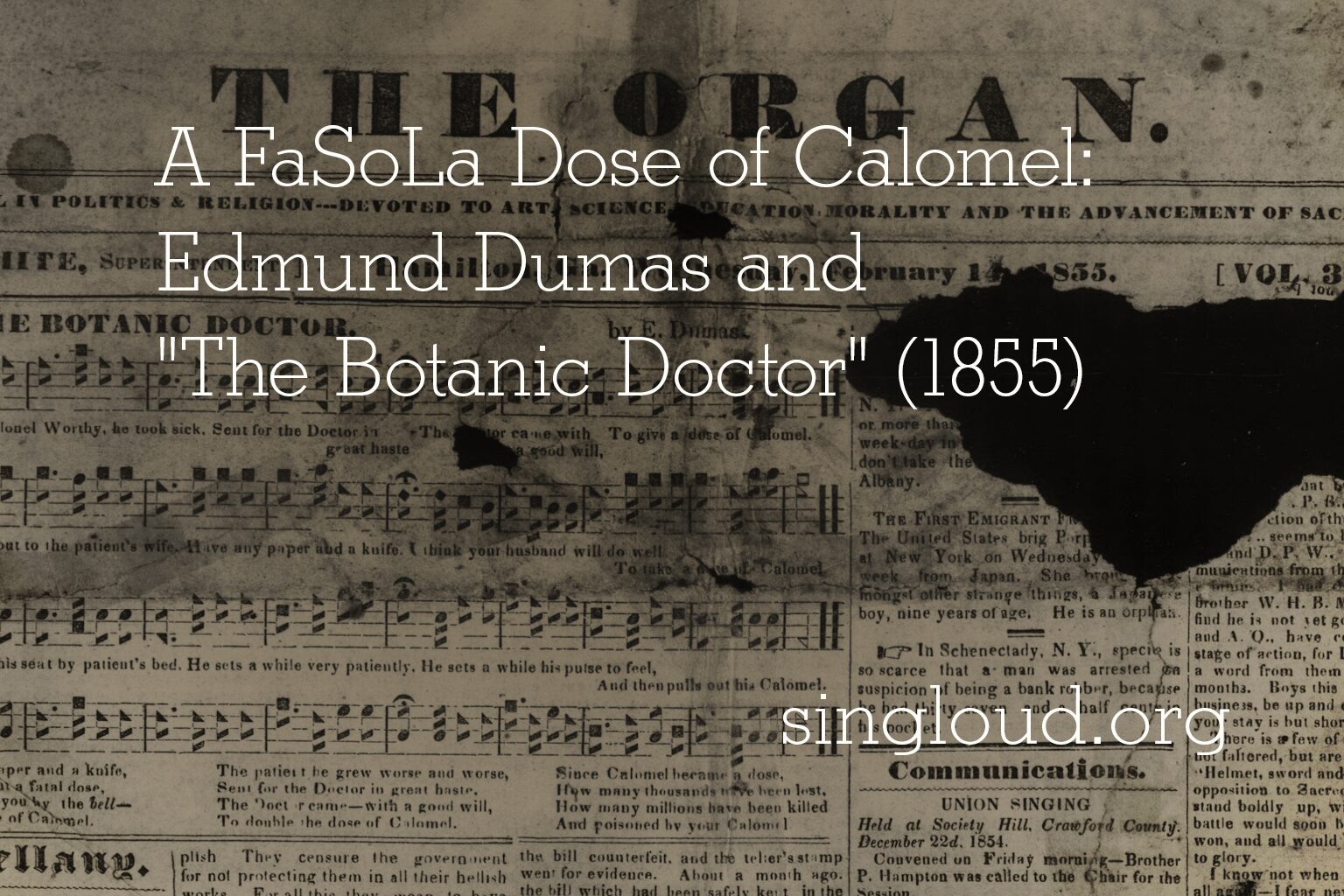
In the mid-nineteenth century, comic songs circulated alongside serious hymns, often poking fun at doctors, preachers, and other figures of daily life. One such piece is “The Botanic Doctor” by Edmund Dumas (1810–1882), printed in The Organ, a short-lived periodical edited by B. F. White, compiler of The Sacred Harp. The song lampoons the practice…
-
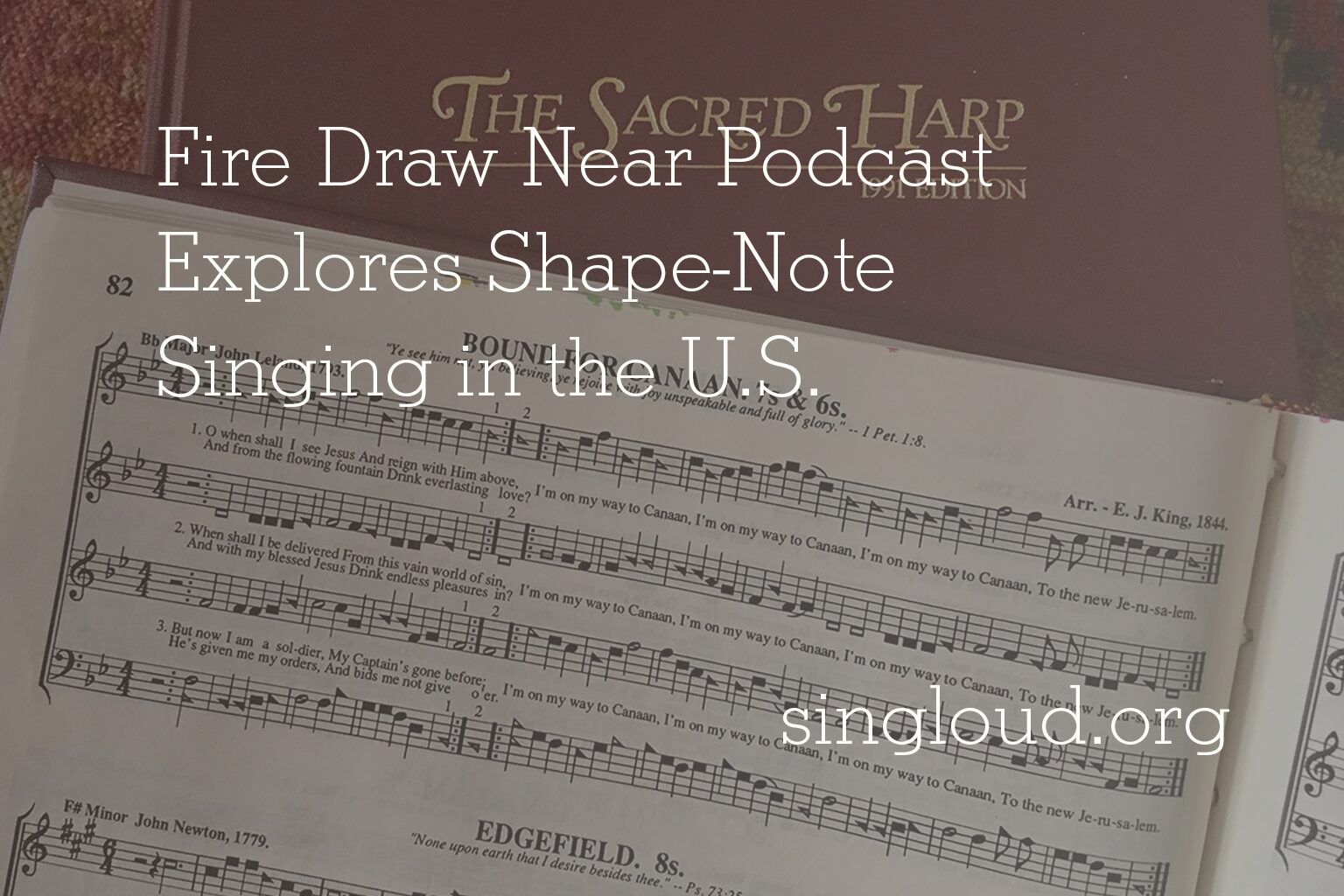
Ireland’s Fire Draw Near podcast’s latest episode, Episode LXIII: Shape Note Singing in the United States, offers a richly textured exploration of Sacred Harp and related traditions, grounded in two recent interviews with practitioners Howe Pearson and Sasha Hsuczyk. It traces the evolution of shape-note singing—its roots in 18th- and 19th-century America, its migration from…
-
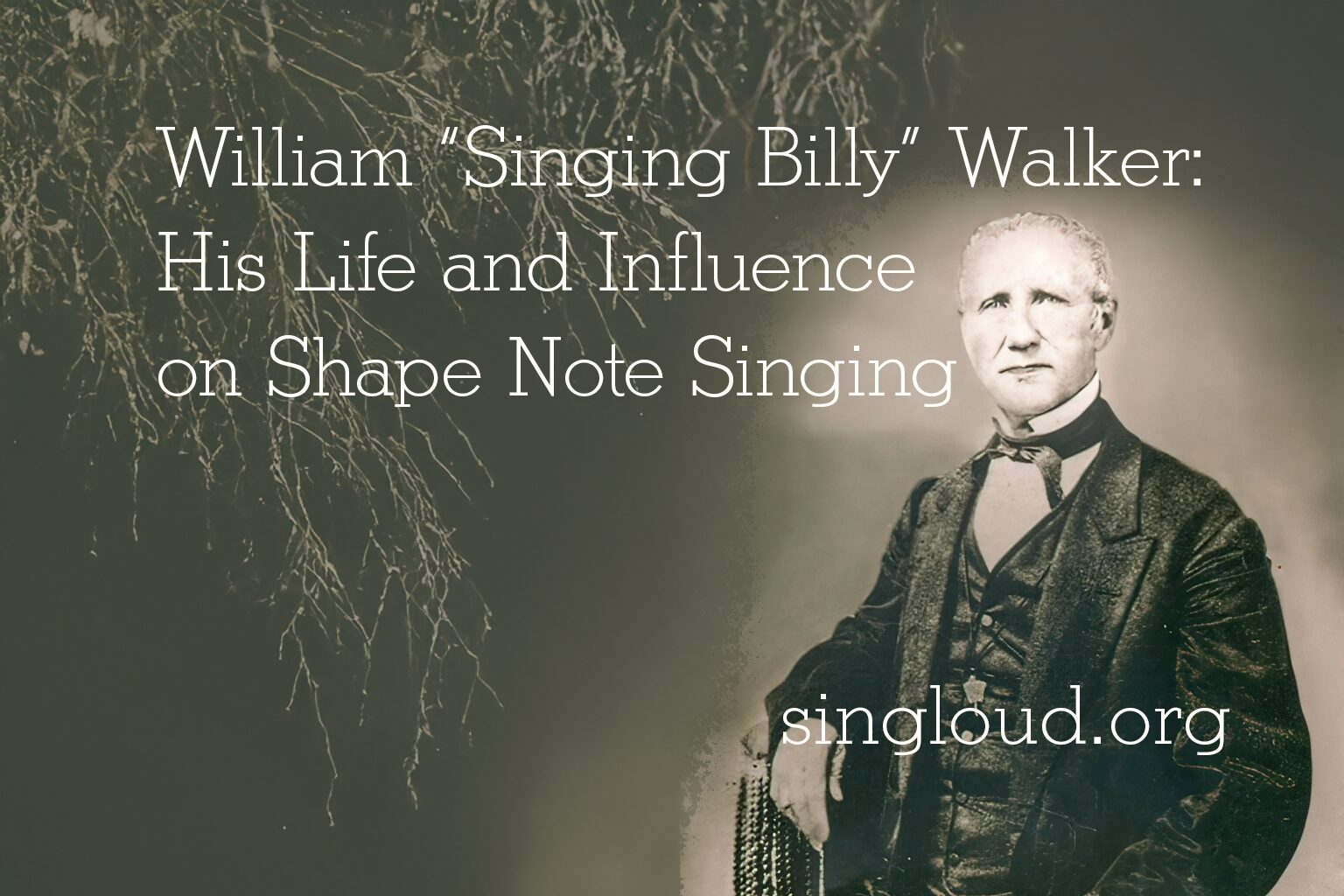
“On the eve of the 150th anniversary of his death, we’ll take a look at one of Spartanburg’s famous 19th century musicians and discuss how his work as a tune book compiler and singing school teacher continues to influence community singing across the American South.” Spartanburg County Public Libraries presented a lecture on William ‘Singing…
-
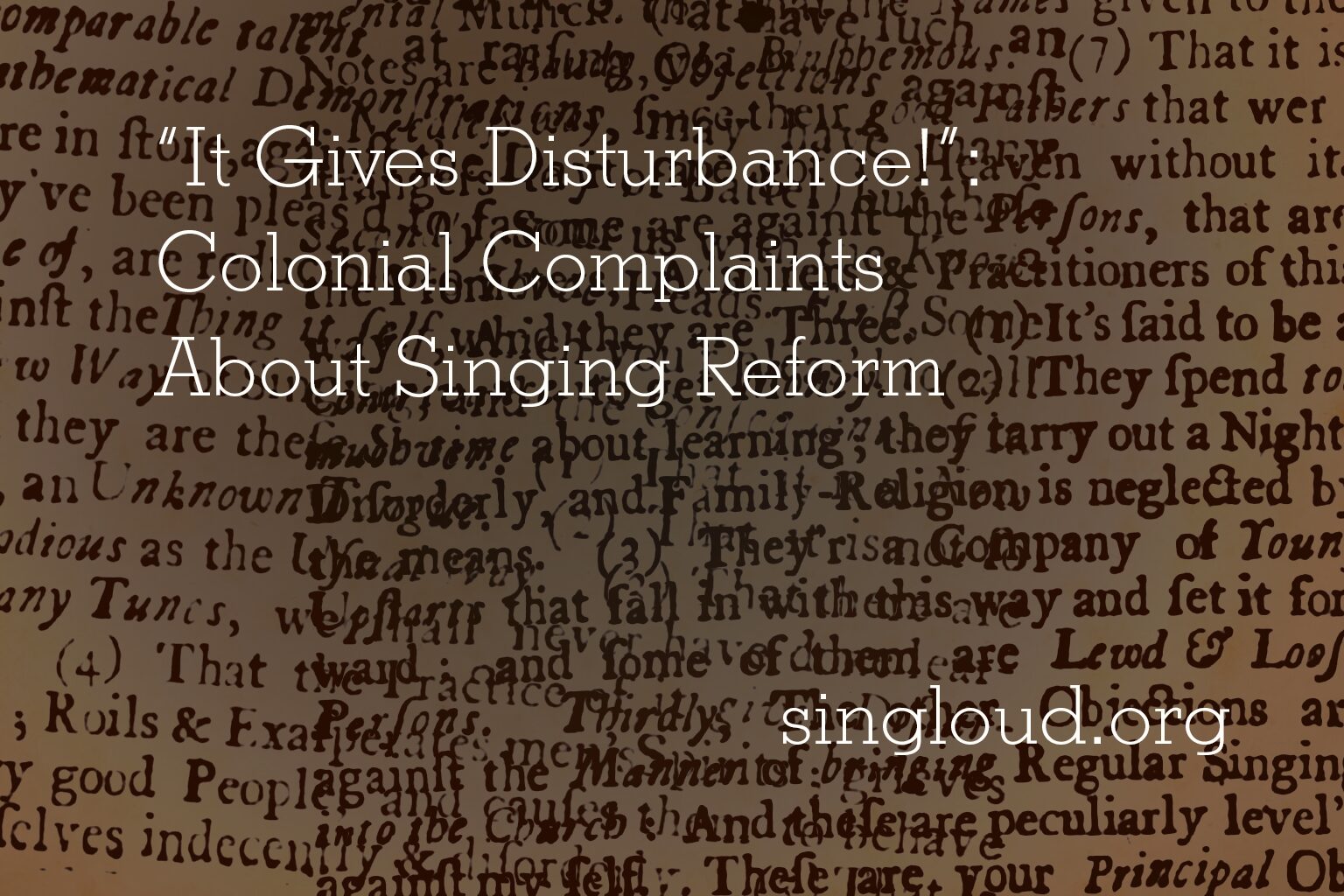
The following excerpt is drawn from Utile Dulci. Or, A Joco-serious Dialogue, Concerning Regular Singing (1723), a pamphlet by New England minister and music advocate Thomas Symmes. Symmes (1678–1725), a Congregationalist minister in Bradford, Massachusetts, was one of the earliest and strongest proponents of “Regular Singing”—a reform movement in colonial church music that promoted musical…
-
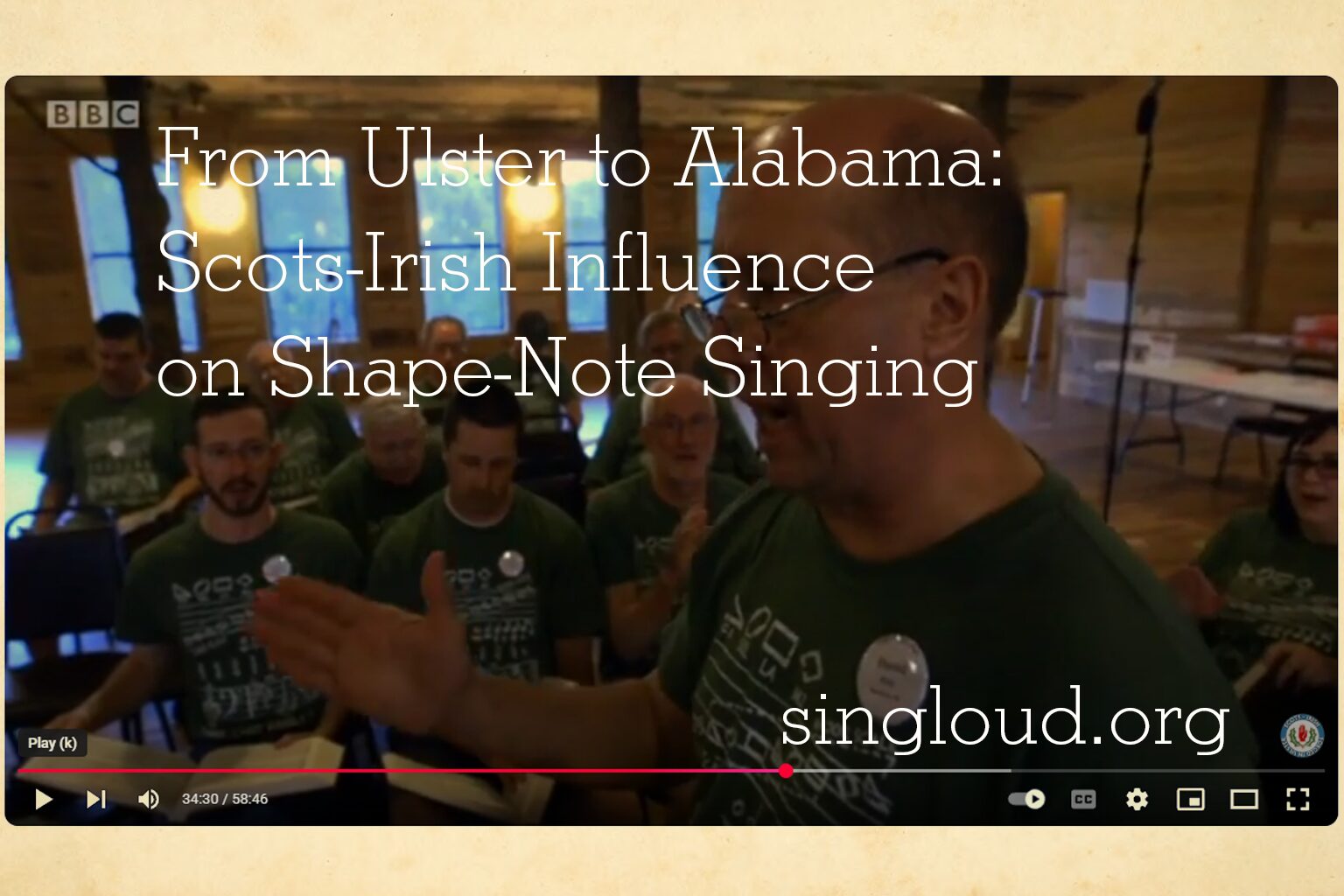
The documentary Wayfaring Stranger explores the Scots-Irish influence on American music, particularly highlighting shape-note singing’s roots in British vocal traditions, enhancing cultural connections.
-
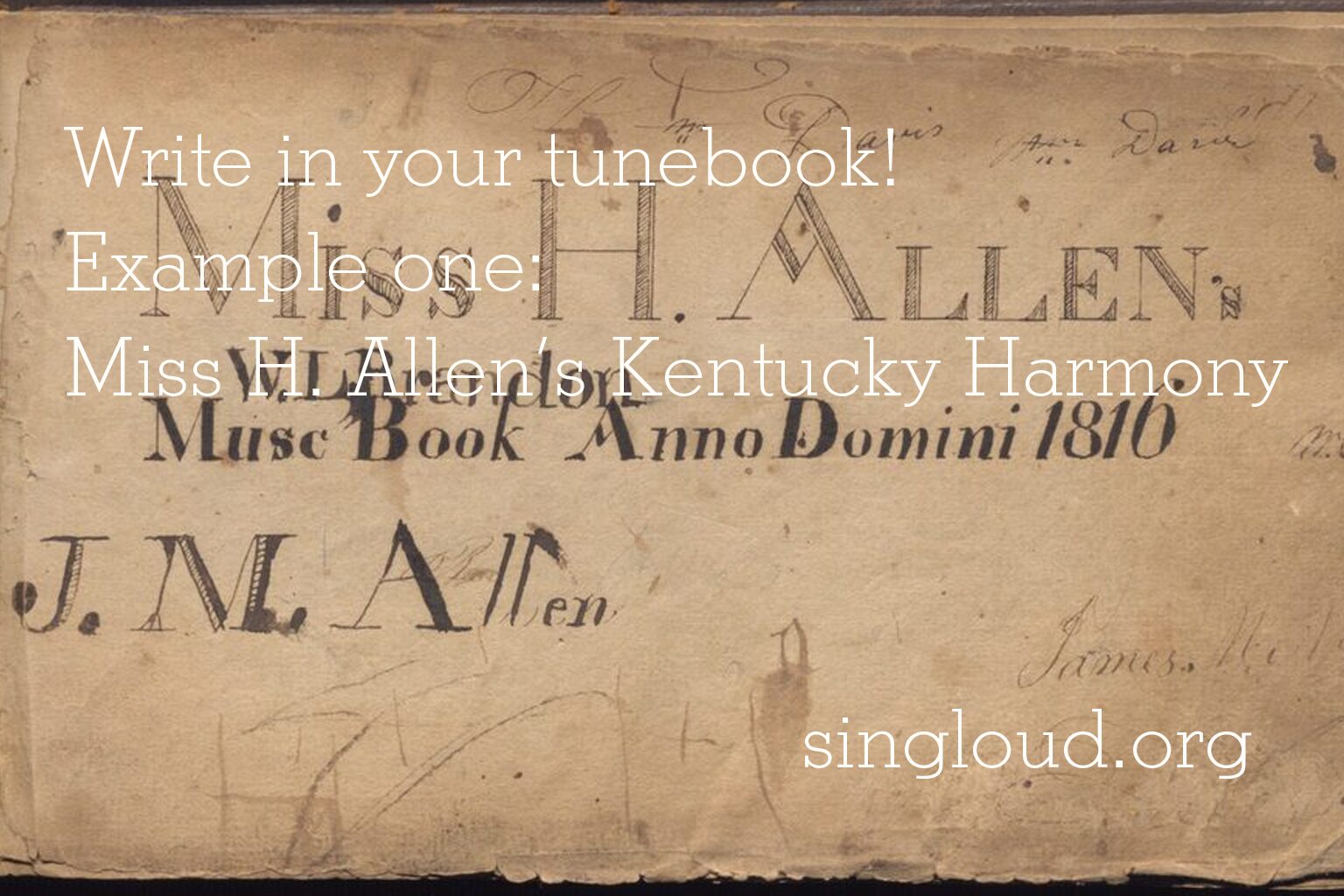
The very first thing a singer should do when receiving a new tunebook is simple: write their name in it, along with the date they took possession. It’s a practical act—but I would also suggest it’s a spiritual one. In putting your name and the date inside the front cover, you’re doing more than marking…
-
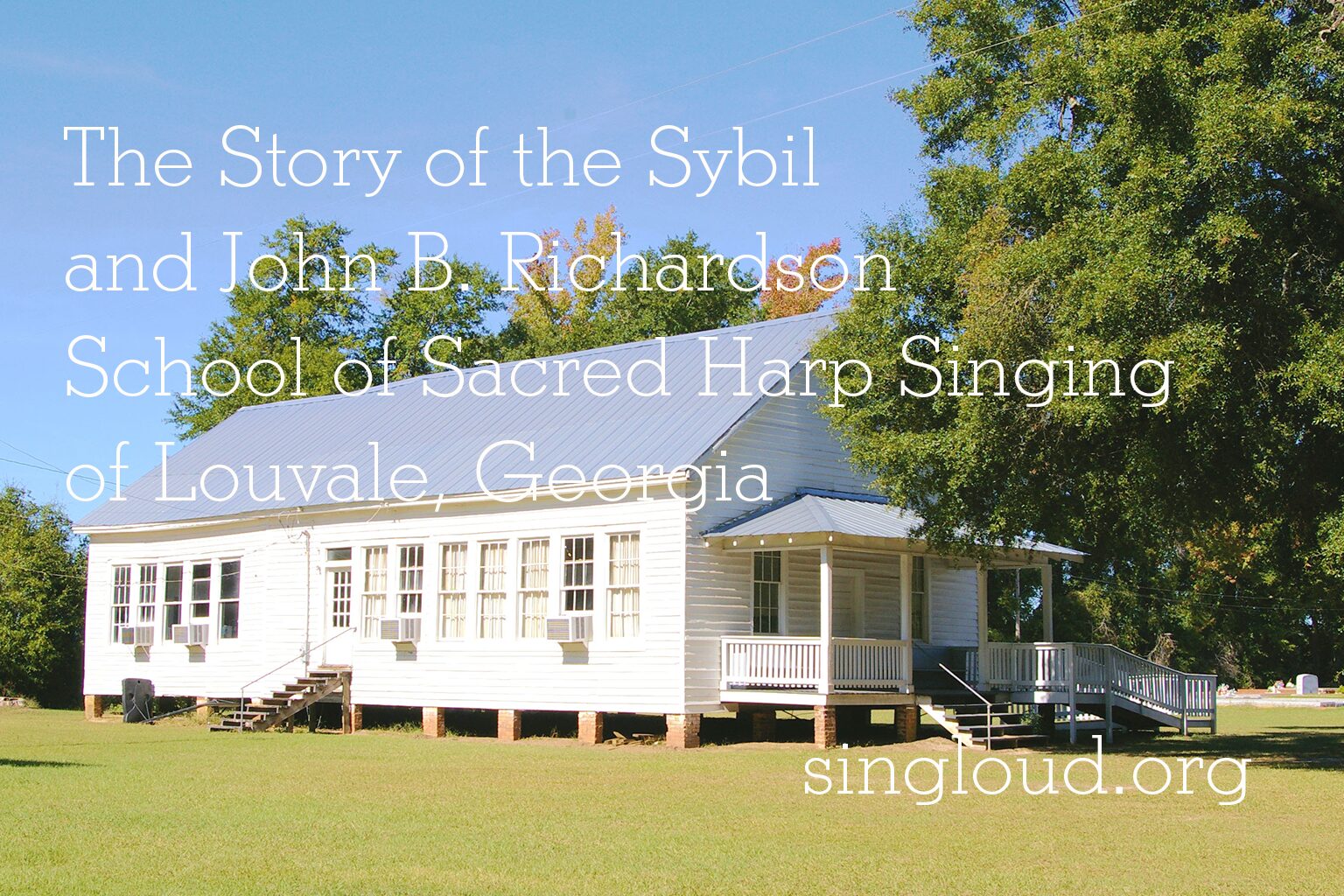
In the small rural community of Louvale, Georgia, a remarkable effort to preserve and pass on the tradition of Sacred Harp singing took root in the early 1980s. While Louvale may be easy to miss on the map, many nmay not know it has a role in the continuation of shape-note music in the Chattahoochee…